
Mastering Candlestick Patterns on Hourly and 4-Hour Charts
Learn to identify and interpret crucial candlestick patterns on 1-hour and 4-hour crypto charts for improved trading decisions.
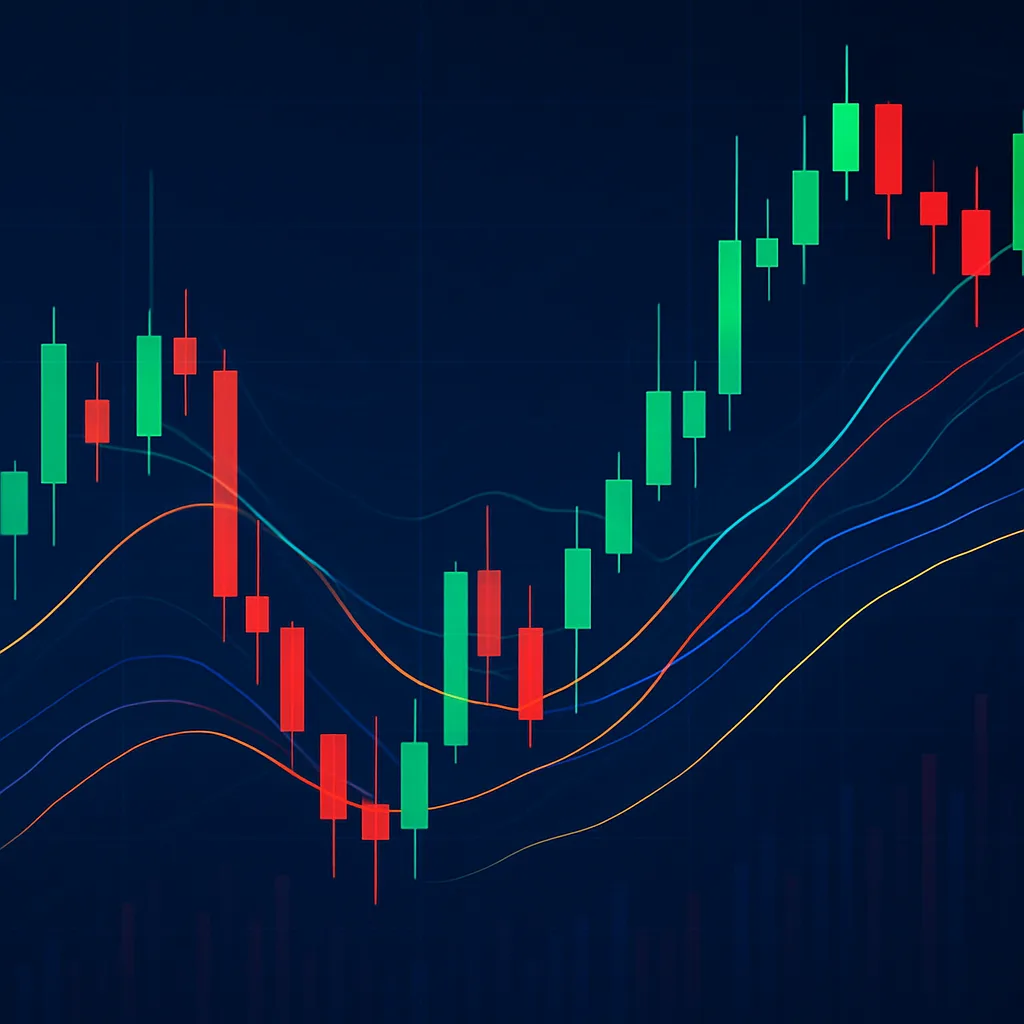
Candlestick patterns are a foundational element of technical analysis in cryptocurrency trading, providing insights into market sentiment and potential price movements. This lesson focuses on reading candlestick patterns on the 1-hour and 4-hour charts, commonly used by traders for both short-term and medium-term strategies.
Understanding Candlestick Basics: Each candlestick represents a specific time period: 1 hour or 4 hours. A candlestick consists of a body and shadows (wicks), and the body indicates the open and close prices, while the shadows represent the high and low prices during that period.
Key Candlestick Patterns:
- Doji: A doji candlestick forms when the open and close prices are virtually the same, indicating indecision in the market. On the 1-hour chart, it could signal a potential reversal in the short term, while on the 4-hour chart, it suggests the market is preparing for a large move.
- Engulfing Patterns: Bullish engulfing occurs when a smaller bearish candle is followed by a larger bullish candle, suggesting a reversal from downtrend to uptrend. Conversely, bearish engulfing indicates a potential downtrend.
- Hammer and Hanging Man: These patterns are characterized by a small body and a long lower shadow. A hammer, appearing at the bottom of a downtrend, is a bullish reversal signal. A hanging man at the top of an uptrend indicates a potential trend reversal.
Applying Patterns Practically: When reading candlestick charts, combine pattern signals with other forms of analysis, such as volume trends and support and resistance levels, to verify potential trade entries. On shorter timeframes like 1-hour, be aware of increased volatility, whereas the 4-hour chart may offer more confirmation of trends.
In summary, mastering candlestick patterns on 1-hour and 4-hour charts can significantly enhance your trading strategy by providing critical insights into market psychology and potential price action.