
How Deposits and Withdrawals Work Across Crypto Networks
Learn how deposits and withdrawals move between wallets and platforms, why network selection matters, and what to check before sending or receiving crypto.
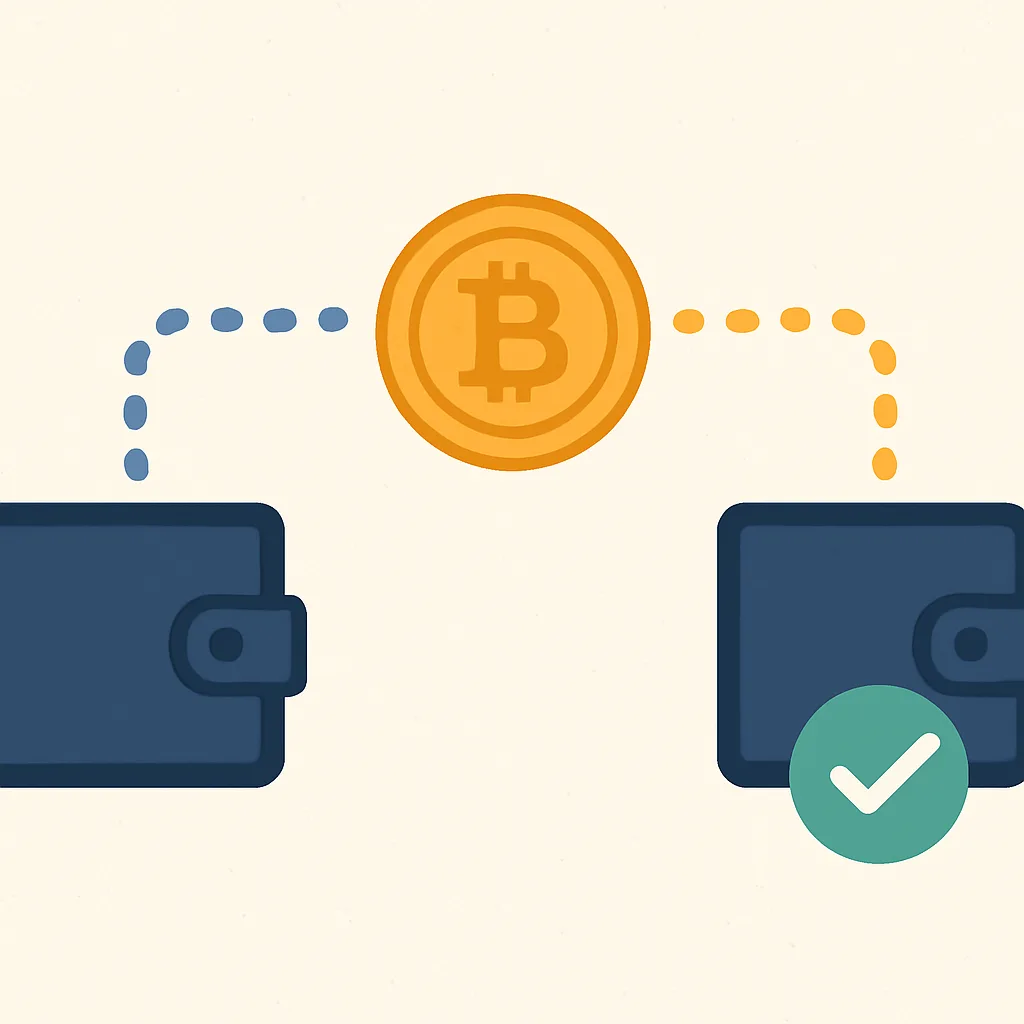
Depositing crypto means sending assets to an address provided by a platform or wallet. Withdrawing means sending assets from that service to an external address. Both actions rely on a blockchain network, and choosing the wrong network or entering incorrect details can delay a transfer or result in permanent loss.
What happens during a deposit?
To deposit, open the receiving platform’s deposit page, select the asset, and review the supported network options. The platform will show a deposit address and may also require a memo, tag, or payment ID. Copy the details exactly, then send the asset from your external wallet using a network supported for that deposit.
A deposit is not always credited as soon as it appears on-chain. The platform may wait for a required number of blockchain confirmations and then apply its own processing time. Check the deposit status and the platform’s minimum deposit amount; sending less than the minimum may mean the funds are not credited automatically.
What happens during a withdrawal?
For a withdrawal, enter the destination address, select a network supported by the receiving wallet or platform, and review any required memo or tag. The sending service usually displays a network fee and the amount that will arrive. Confirm these details before authorizing the transaction.
Once a withdrawal is broadcast to the blockchain, it may not be possible to cancel or reverse it. A status such as “processing” or “pending” can mean the service is still preparing the transaction. After broadcast, use the transaction ID, also called a transaction hash, to check its progress with a block explorer for the selected network.
Why network selection matters
The same asset may be available on several networks, but addresses and transfer routes are not automatically interchangeable. The sending network must be compatible with the receiving platform’s deposit or withdrawal option. For example, selecting one network at the sender while the receiver expects another can leave the transfer unsupported or difficult to recover.
Do not choose a network based only on a lower fee or a familiar-looking address. Confirm that both sides support the exact network and asset format. If the receiving service lists a token standard or network name, match it precisely.
Checks to make before sending
- Confirm the asset and network: Check the coin or token and the exact network on both the sending and receiving sides.
- Verify the destination: Copy the address from the recipient’s official deposit page or wallet. Check the first and last characters after pasting; malware or clipboard errors can change an address.
- Check for a memo or tag: Some services use an extra identifier alongside the address. Include it when required, and make sure it belongs to the intended account.
- Review limits and fees: Check minimums, withdrawal fees, processing requirements, and any arrival estimate. Fees and processing times can vary by network conditions and platform policy.
- Consider a test transfer: For a new address or an unfamiliar route, send a small amount first if the minimums and fees make this practical. Wait until it is credited before sending the rest.
- Use trusted channels: Access the platform through its official app or website. Never share passwords, private keys, or recovery phrases to complete a deposit or withdrawal.
If a transfer is delayed or missing
First, check the transaction status in the sending service. If it has a transaction ID, look it up on the correct network’s block explorer and confirm the destination address and confirmation status. Then review the receiving platform’s deposit policy, including confirmation requirements and supported assets.
If the transaction is confirmed on-chain but has not been credited, contact the receiving service through its official support channel. Provide the transaction ID and relevant details, but never provide your private key or recovery phrase. Recovery of a transfer sent on an unsupported network may be unavailable, delayed, or subject to a fee.
Key takeaway: Treat every transfer as a one-way transaction. Match the asset and network, verify the address and any memo, understand the fees and limits, and check the details before confirming.