
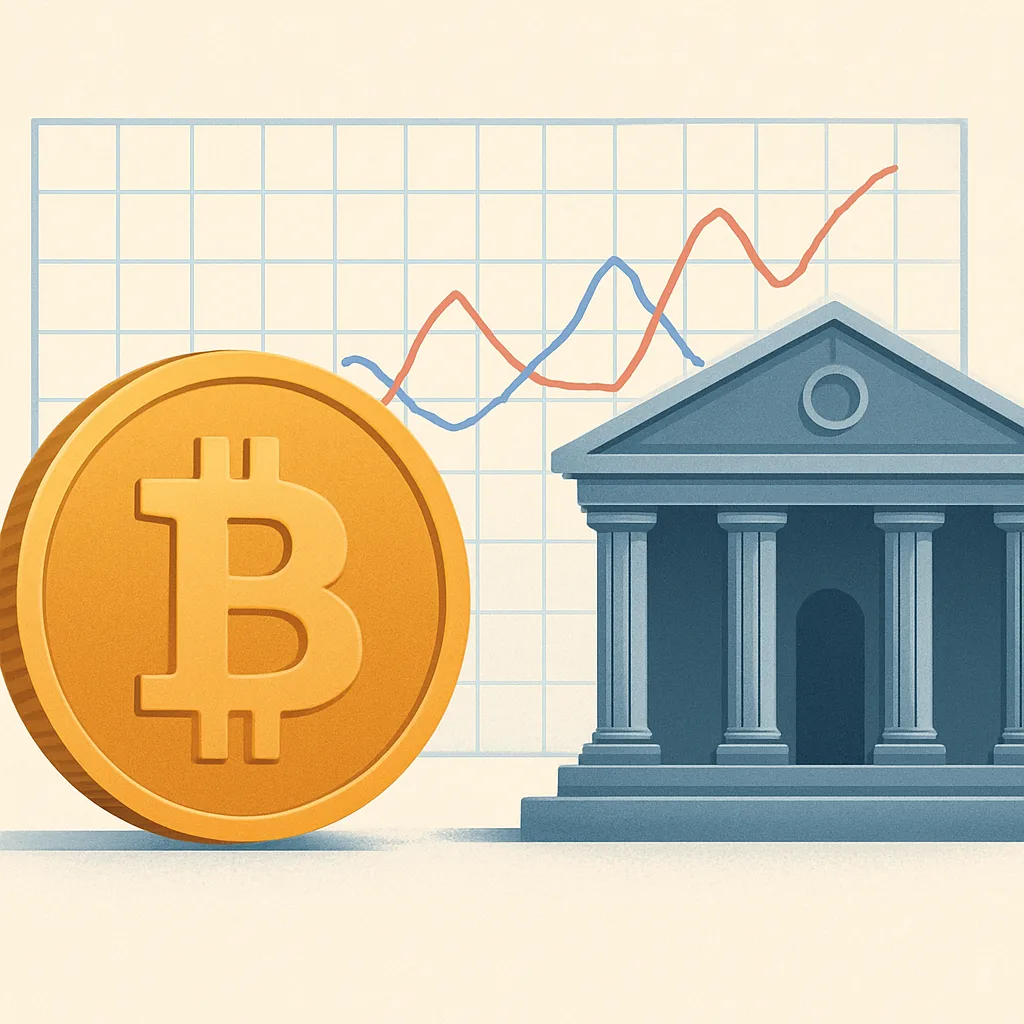
Why Crypto Reacts to the Gap Between Forecasts and Data
Interest-rate decisions and inflation reports can shift crypto sentiment, but the market often responds most to how the numbers compare with expectations.
Crypto markets do not wait for a central bank announcement or inflation report to understand the bigger economic picture. Traders form expectations in advance, and prices can move when new information changes those expectations. That is why a seemingly positive rate decision may coincide with falling crypto prices, while a higher-than-expected inflation reading can sometimes trigger only a brief reaction.
Why rates matter to crypto
Interest rates influence the cost of borrowing and the return investors can earn on lower-risk assets. When rates are high or expected to rise, some investors may become less willing to hold volatile assets such as Bitcoin and altcoins. When markets anticipate lower rates, appetite for risk can improve, though that relationship is not automatic.
Rate decisions also affect expectations about future financial conditions. A central bank may hold rates steady but signal that cuts are unlikely soon. If traders had expected a more supportive outlook, that message can weigh on crypto even though the decision itself was unchanged.
How CPI can shift expectations
The Consumer Price Index (CPI) is one measure of inflation. A report above forecasts may lead markets to anticipate tighter policy for longer, while a lower reading can support expectations of easing. The response depends on the details, including underlying inflation trends, previous data, and what central-bank officials have already said.
Markets often react to the difference between the reported figure and the consensus forecast—not simply whether inflation rose or fell. A smaller-than-expected increase may be welcomed, while a decline that falls short of forecasts may disappoint. Traders may also compare headline CPI with core measures that exclude food and energy prices.
Read the reaction, not just the headline
Macro releases can cause sharp moves, but the first price response may not last. Liquidity can thin around announcements, spreads can widen, and rapid changes in positioning can amplify volatility. Bitcoin may move first, with some altcoins following more sharply; however, crypto-specific news and market structure can override the broader macro signal.
Before a major release, note the scheduled time, the market forecast, and the range of recent outcomes. Afterward, compare the actual figures with expectations and watch whether price action is sustained across multiple time frames. Trading volume, funding rates, and open interest can offer context, but none guarantees the next move.
Build a plan for event risk
Rather than trying to predict every data point, decide in advance how much risk you are prepared to take. Consider reducing position size if volatility is likely to exceed your plan, and avoid relying on a stop order as a guarantee against gaps or slippage. If you trade around announcements, define entry, exit, and invalidation levels before the event.
Macro data is one input among many, not a standalone trading signal. A clear process—checking expectations, interpreting the surprise, and managing exposure—can help you respond more deliberately when rates or inflation shift the market narrative.