
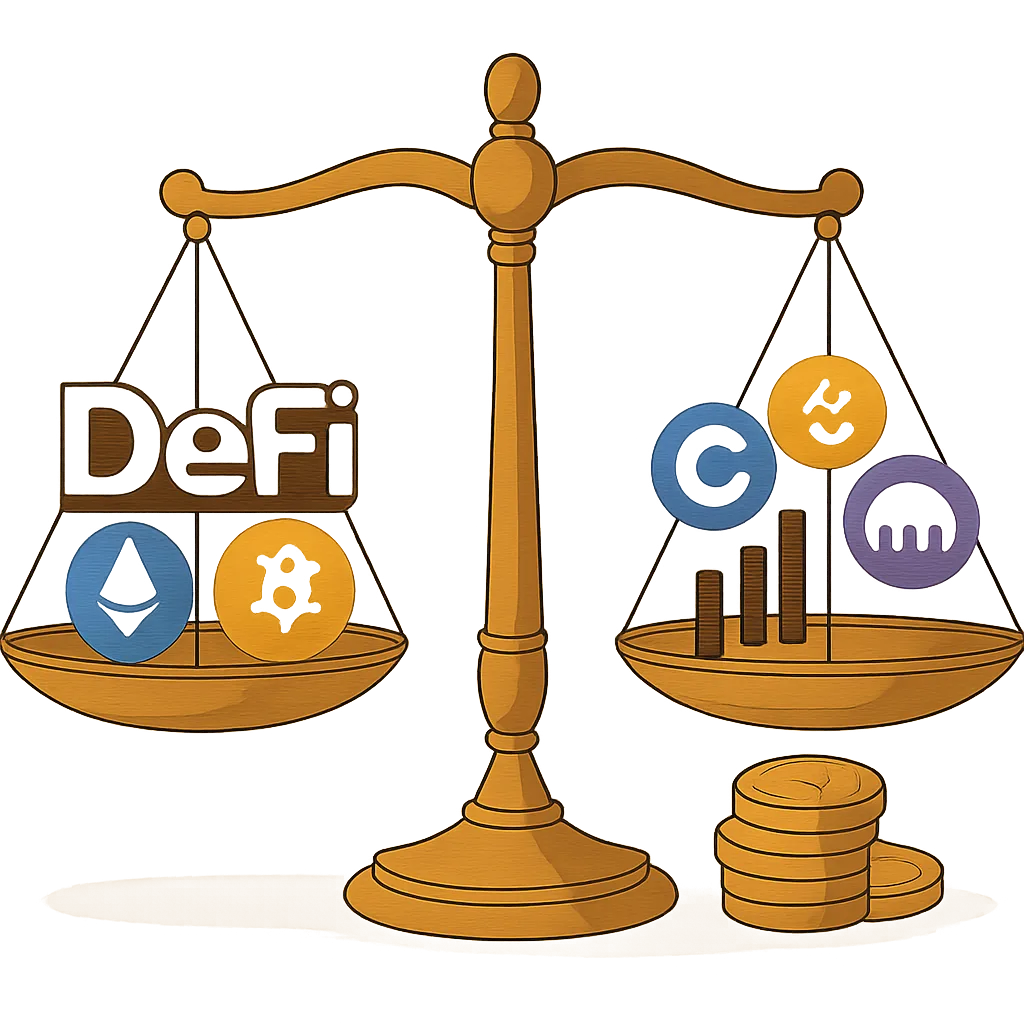
DeFi Yields or Exchange Staking: Which Offers Better Trader Returns?
Explore the contrasts between DeFi yields and centralized exchange staking from a trader's perspective, focusing on risk, profitability, and market trends.
The world of cryptocurrency offers a variety of ways to earn passive income, with DeFi yields and centralized exchange staking being two popular choices. As a trader, deciding between the two can significantly affect your portfolio's performance. This article delves into the differences between these two investment strategies, offering insights into risk management, potential returns, and market dynamics.
Understanding DeFi Yields
Decentralized Finance (DeFi) has gained traction for its ability to operate without intermediaries, using smart contracts on blockchain technology. DeFi platforms provide high yields through lending, liquidity provision, and yield farming. Traders who opt for DeFi yields take on more risk, as these platforms can be vulnerable to hacks and volatile conditions. However, the absence of intermediaries often results in higher potential returns.
Centralized Exchange Staking
In contrast, centralized exchange staking offers a more secure and user-friendly experience. Traders who stake their cryptocurrencies on exchanges such as Yubbit benefit from staking rewards distributed directly by the platform. While the returns might be lower compared to DeFi, the added security and lower risk attract many traders, especially those new to the market.
Risk vs. Reward: Trader Considerations
For traders, the choice between DeFi and centralized exchange staking boils down to risk tolerance and market strategy. DeFi yields can be more lucrative but require vigilance and a deep understanding of the protocols used. Conversely, centralized staking offers steadier, albeit smaller, returns with a focus on safety and ease of use. Evaluating your market position, risk appetite, and long-term goals is essential in making an informed decision.
The Market's Role
Both DeFi and centralized staking have their pros and cons, and market conditions can heavily influence their attractiveness. During bull markets, DeFi yields can skyrocket, but they also come with increased risks during downturns. Centralized staking, while more stable, can sometimes lag in yield during bullish periods. Keeping an eye on market trends and regulatory changes is crucial for traders looking to maximize their earnings.
Ultimately, a balanced approach might involve diversifying across both strategies, allowing traders to capitalize on the high yields of DeFi while maintaining the security of centralized staking.