
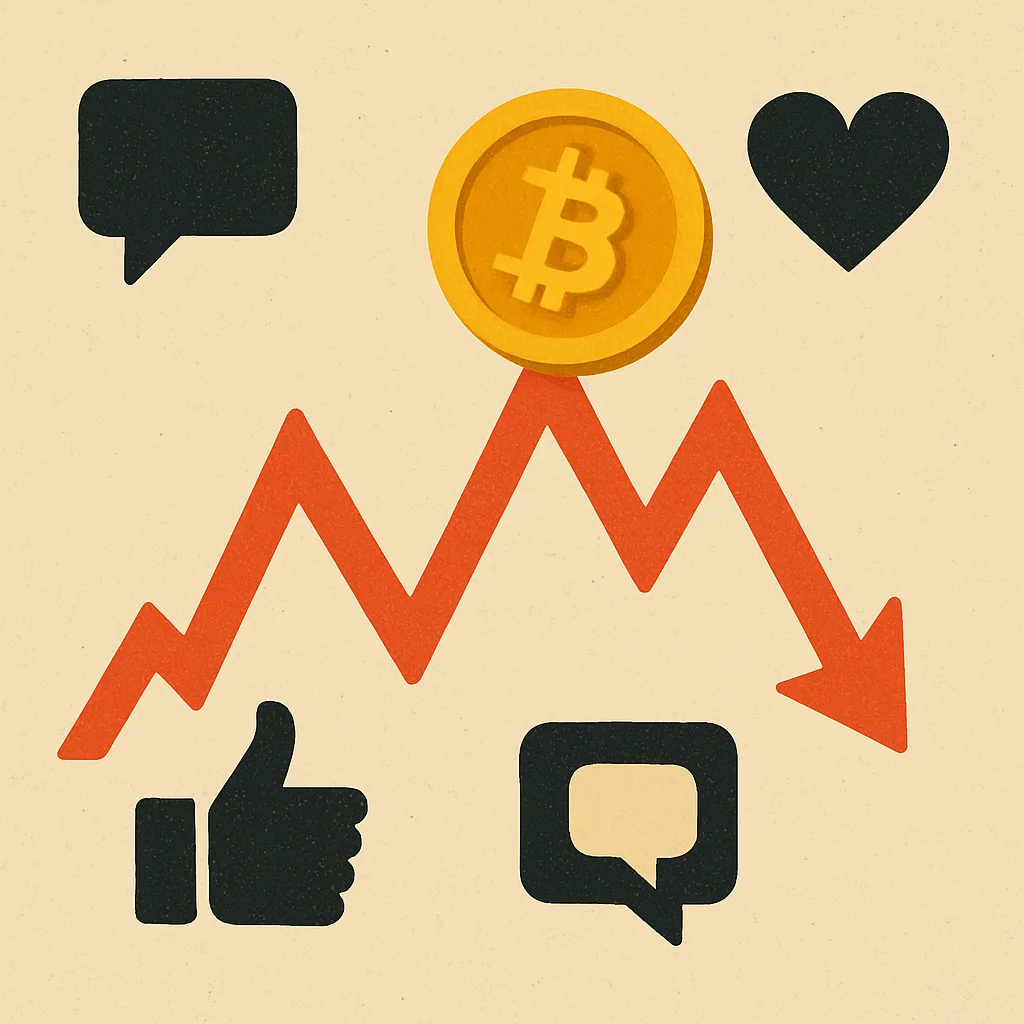
Meme Coin Hype Runs in Stages—Adjust Your Risk at Each Turn
Meme coins can move from quiet accumulation to viral attention and sharp reversals in a short time. Learn how to recognize the phases and use practical controls to manage exposure.
Meme coins often move through recognizable hype cycles: a token gains attention, social posts multiply, trading activity surges, and early enthusiasm may give way to profit-taking or fading interest. These stages can unfold quickly, but they are not predictable signals of what comes next. A clear risk plan can help traders respond without treating online excitement as proof of lasting value.
Understand the cycle without trying to time it perfectly
In a quieter phase, a meme coin may have limited visibility and thin trading activity. A catalyst or influential post can bring new buyers and push volume higher. If attention spreads, price swings may grow as traders chase momentum. Eventually, sellers may outnumber buyers, liquidity may dry up, and prices can fall sharply. Not every token follows this pattern, and a surge in activity does not guarantee another leg higher.
Use cycle awareness to ask better questions, not to predict an exact top. Is trading volume broadening or concentrated in a few venues? Are spreads widening? Is attention growing alongside liquidity, or are price moves becoming harder to execute? These observations can inform decisions, but none removes the possibility of sudden losses.
Set exposure before the feed gets loud
Decide in advance how much of your portfolio you are willing to risk on a highly speculative asset. Keep the amount small enough that a severe loss would not derail essential financial plans. Avoid increasing a position simply because the price is rising or a community is celebrating. If you use an exchange, review the order details and available liquidity before submitting a trade.
Position size matters because meme coins can gap through intended exit prices, especially when liquidity is limited. A stop order may not execute at its trigger price during fast markets, and it cannot guarantee a maximum loss. Consider these limitations when choosing your exposure rather than relying on a single order type as complete protection.
Build rules for entries, exits, and liquidity
Write down why you are entering, what would invalidate that reason, and the conditions under which you would reduce or close the position. Set a maximum loss for the trade and avoid moving it farther away just to stay in a losing position. Consider taking partial profits according to a plan instead of waiting for a perfect exit that may never arrive.
Check whether the token has enough real trading depth for the order you intend to place. Thin liquidity can mean wide spreads, price impact, and difficulty selling during a rush to the exit. Be cautious with market orders in fast-moving conditions, and remember that displayed liquidity can change quickly.
Separate social momentum from evidence
Viral posts, community activity, and influencer mentions can attract attention, but they do not establish a token’s utility, fair value, or future demand. Look for clear information about the project and its token distribution, while recognizing that available information may be incomplete or difficult to verify. Watch for concentrated ownership, sudden changes in trading conditions, and claims that rely on urgency or guaranteed returns.
Decide how often you will check the position and avoid letting constant notifications drive impulsive trades. If the original reason for holding no longer applies, reassess rather than relying on hope that online attention will return.
Keep a record and protect your account
Track your entry, exit, fees, and the reason for each decision. Reviewing those notes can show whether you followed your rules or reacted to noise. Use strong account security, verify token and network details, and be wary of links or messages that promise exclusive access to a hot coin.
Meme coin trading remains speculative, and risk controls cannot make it safe or guarantee a positive outcome. The goal is to define acceptable exposure, account for uncertain liquidity, and make decisions deliberately through every stage of the hype cycle.