
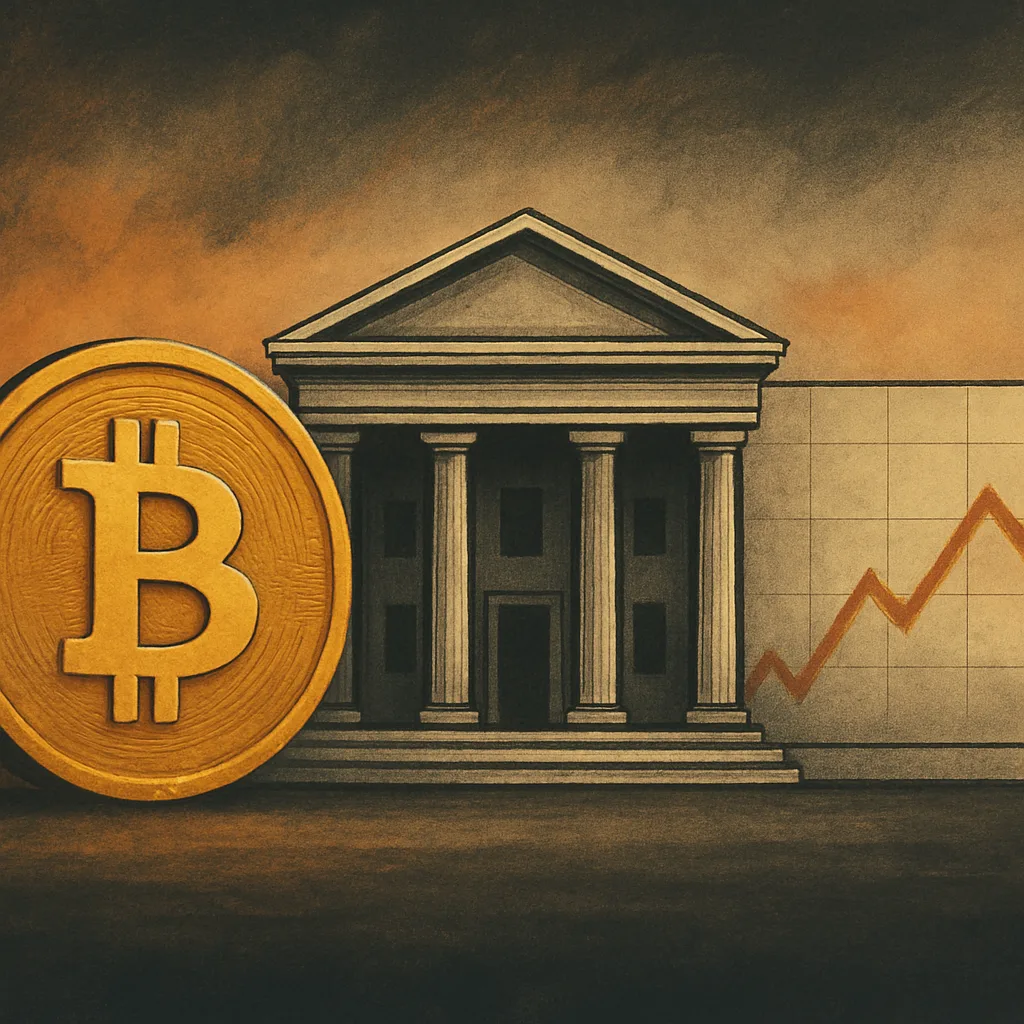
When Inflation and Interest Rates Shift, Crypto Reprices
CPI releases and central bank decisions can reshape expectations for liquidity, risk appetite, and crypto prices. Learn how to read the reaction without treating every headline as a trading signal.
Crypto markets do not move in isolation from the wider economy. Inflation reports and interest-rate decisions can change expectations about borrowing costs, liquidity, and investor appetite for risk. Bitcoin and other digital assets may respond quickly—but the direction is not always obvious, and the initial move can reverse.
Why rates and inflation matter to crypto
When inflation remains high, central banks may keep rates elevated or signal further increases. Higher rates can make cash and bonds more attractive relative to riskier assets, while tighter financial conditions may reduce the liquidity available for speculative investments. That can weigh on crypto prices, especially when markets are already cautious.
If inflation cools and policymakers signal that rate cuts may be possible, risk appetite may improve. Crypto can benefit from that shift in expectations, but it is not a guaranteed outcome. Investors may have already priced in the news, or other concerns—such as weak economic growth, regulatory developments, or market positioning—may dominate.
Expectations can matter more than the headline
Markets react not only to the reported CPI figure or the central bank’s decision, but also to how those numbers compare with expectations. A lower-than-forecast inflation reading may support prices if traders had anticipated a hotter result. Yet if the report is already widely expected, the market response may be limited.
Central bank commentary also matters. A rate hold can still sound restrictive if officials emphasize persistent inflation. Conversely, a rate increase may trigger a rally if traders expected an even larger move or interpret the accompanying guidance as less hawkish. Look beyond the headline to the details and the change in market expectations.
Why crypto reactions can be unusually sharp
Crypto trades around the clock, and leverage is common in derivatives markets. A macroeconomic release can therefore prompt rapid position changes, liquidations, and volatility across exchanges. Bitcoin may set the initial direction, while smaller assets move more sharply as liquidity and risk appetite shift.
These moves can be amplified by positioning. If many traders are leaning in the same direction, a surprise can force them to exit quickly. That can produce a sudden price swing that reflects crowded trades as much as a reassessment of long-term value.
A practical way to follow macro events
Check the calendar: Note scheduled CPI releases, central bank announcements, and press conferences before planning a trade.
Compare results with forecasts: The surprise relative to expectations often provides more context than the number alone.
Watch the follow-through: See whether Bitcoin and broader markets sustain the initial move after the first burst of volatility.
Use defined risk: Consider position size, stop levels, and the possibility of slippage around major releases. Avoid relying on leverage to compensate for uncertainty.
Separate reaction from thesis: A short-term price move does not, by itself, confirm a lasting change in the market outlook.
Trade the uncertainty, not just the announcement
Macro data can help explain why crypto volatility rises, but it cannot reliably predict every price move. Build a plan before the release, keep risk within limits, and be cautious about chasing a fast candle. For Yubbit users, disciplined monitoring and measured position sizing can be more useful than trying to guess the exact market reaction.
This article is for educational purposes only and is not investment advice. Crypto assets are volatile, and you can lose some or all of your capital.