
Isolated or Cross Margin? A Beginner’s Guide to Exposure
Learn how isolated and cross margin allocate collateral, what happens when a position loses value, and how to compare their risks before trading.
When trading crypto futures with borrowed funds, margin is the collateral that supports your position. Many exchanges offer two ways to allocate it: isolated margin and cross margin. The choice affects which funds can be used to cover a losing position, but neither mode removes the risk of liquidation.
What is isolated margin?
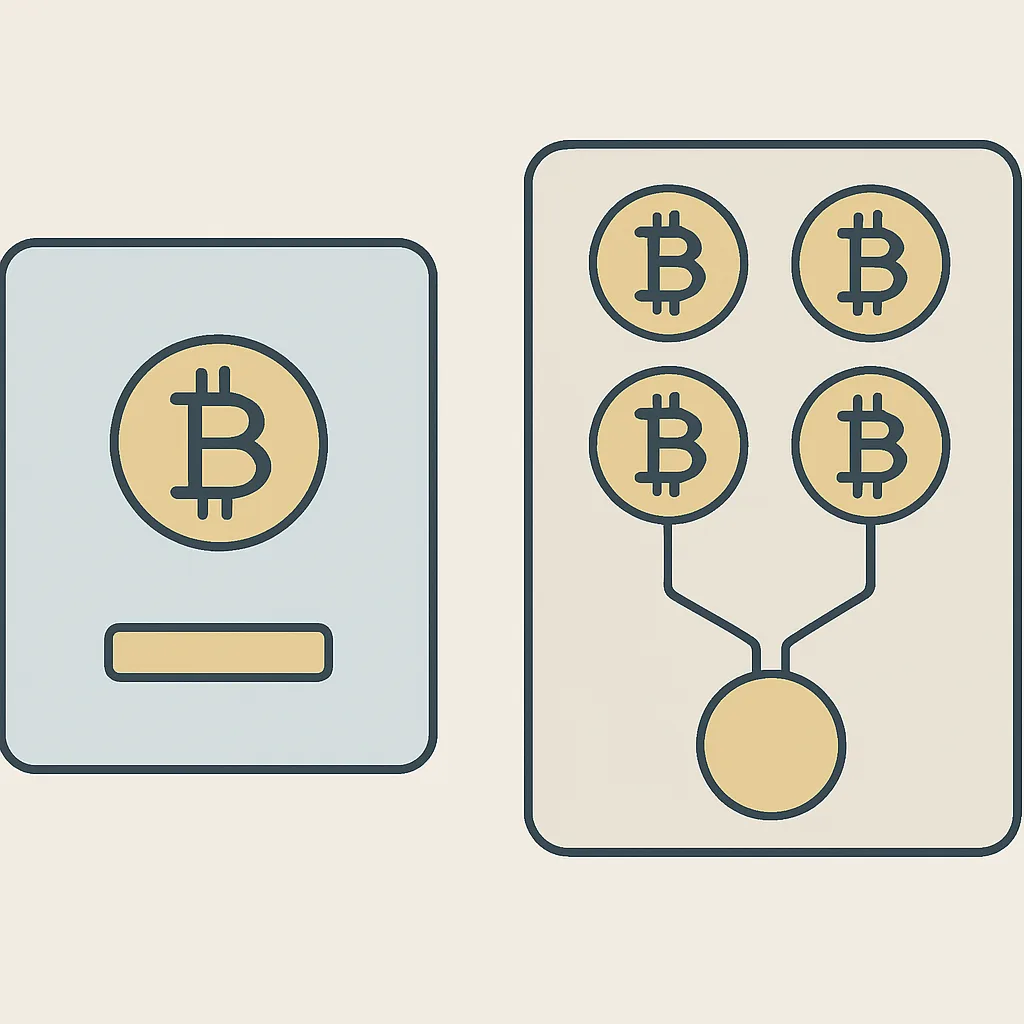
With isolated margin, a specific amount of collateral is assigned to one position. If that position loses value and its margin falls below the exchange’s maintenance requirement, it may be liquidated. In general, the loss tied to that position is limited to its allocated margin, plus any fees or other amounts the exchange’s rules may require. Funds elsewhere in your account are not automatically added to protect it.
Some platforms let traders add or remove margin from an open isolated position. Check the exchange’s rules: adding collateral can delay liquidation, but it also puts more funds at risk.
What is cross margin?
With cross margin, eligible account collateral may be shared across multiple positions. If one position moves against you, the exchange can use available shared margin to help keep it open. This can reduce the chance of an early liquidation for an individual position, but it may expose more of your account balance to losses.
If losses across positions consume the available collateral, several positions could be liquidated. Cross margin does not guarantee that positions will stay open, and the exact treatment of collateral depends on the exchange, account type, and contract.
Key differences at a glance
- Collateral allocation: Isolated assigns margin to a position; cross draws on eligible shared collateral.
- Loss exposure: Isolated can help ring-fence funds for a position. Cross can put a wider portion of the account at risk.
- Liquidation behavior: An isolated position may be liquidated on its own. Under cross, shared funds may support it, while losses can affect other positions.
- Monitoring: Isolated makes position-level risk easier to separate. Cross requires attention to account-wide margin and combined exposure.
A simple example
Suppose a trader has 500 USDT in eligible collateral and opens a futures position using 100 USDT as isolated margin. If the position deteriorates, the exchange generally assesses its assigned margin against the position’s maintenance requirement. The trader’s other funds are not automatically committed to that isolated position.
If the same position uses cross margin, some or all of the eligible 500 USDT may help support it, according to the platform’s rules. That could give the position more room before liquidation, but a larger loss could consume more of the account’s balance. This example is illustrative: leverage, fees, funding payments, mark price, maintenance margin, and exchange procedures all affect actual outcomes.
How to choose as a beginner
Start by asking how much of your account you are willing to expose to one position. Isolated margin may be easier to understand when you want a clear collateral limit for a trade. Cross margin may suit traders managing several positions who understand how shared collateral and combined risk work. Neither option is inherently safe, and choosing isolated margin does not make a high-leverage trade low-risk.
- Read the exchange’s margin and liquidation rules for the specific contract.
- Check which assets count as collateral and whether balances are shared across positions.
- Estimate the position’s potential loss, fees, and funding costs before opening it.
- Use modest leverage and avoid risking funds needed for essential expenses.
- Monitor margin ratio, liquidation estimates, and open positions; these values can change as prices move.
Common misconception
Cross margin is not simply “safer” because it can use more collateral, and isolated margin does not make liquidation impossible. Cross can delay a liquidation by drawing on shared funds, while increasing the amount of account equity that may be lost. Isolated can confine exposure more clearly, but a position can still be liquidated quickly if its assigned margin is insufficient.
Bottom line: Isolated margin separates collateral by position; cross margin shares eligible collateral across positions. Before trading, understand how your exchange calculates margin and liquidation, and only use funds you can afford to lose. Futures trading is highly risky, and rules may vary by platform and jurisdiction.